
Guilt and the Burden of Choice
The Leopard (Jo Nesbø Edition)This thread follows Harry Hole’s habit of turning loss into personal blame and shows how new choices gradually challenge his belief that he must bear every failure alone.
increasing Bearing strength in each event
 decreasing
Bearing strength in each eventdecreasingReturning Out of Shame
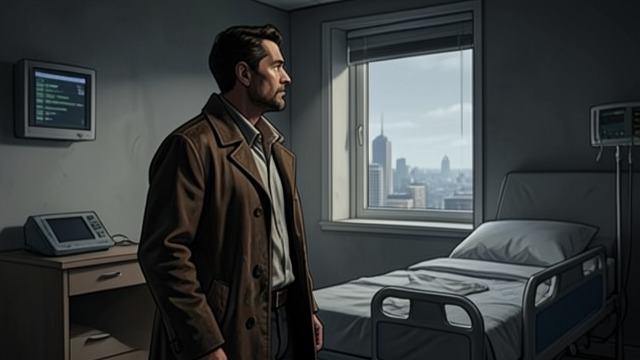
Homecoming as Self-Accusation
A return without reconciliation
Harry Hole comes back to Oslo after hearing that his father, Olav Hole, is gravely ill. He tells himself that he has returned from shame rather than love, and initially avoids learning the full truth about his father’s condition.
The familiar escape
His apartment and the hospital bring back the losses associated with Rakel and Oleg. Harry’s impulse is to withdraw, drink, and treat isolation as a kind of punishment that he has earned.
Guilt as a way of remaining attached
Self-reproach appears to keep absent people close: if Harry can blame himself, he can still imagine that he might have changed what happened. The cost is that guilt blocks the possibility of responding to the living people who remain beside him.
The Unanswered Request
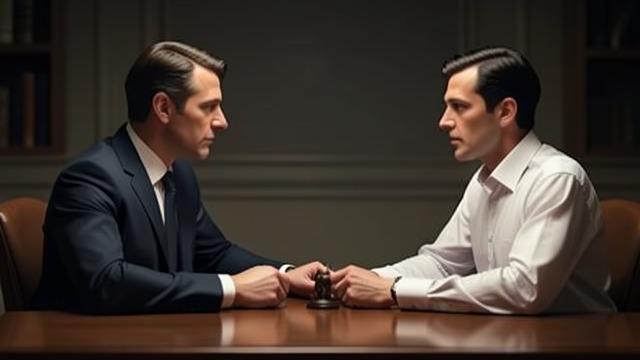
Love and Refusal
A request that cannot be undone
Olav tells Harry that he once failed to fulfill his wife’s request for help dying. Now, facing his own terminal illness, he asks Harry to help him in the same way.
Refusal becomes another feared failure
Harry cannot agree. He initially interprets his inability as cowardice and imagines that he is imposing suffering on his father, just as he believes he failed other people he loved.
A different moral measure
Sigurd Altman offers Harry a language for understanding refusal: the limits imposed by conscience may be an anchor rather than a defect. Harry does not reach certainty, but the conversation opens a distinction between failing someone and declining to cross a boundary that cannot be crossed without destroying oneself.
The Avalanche Choice
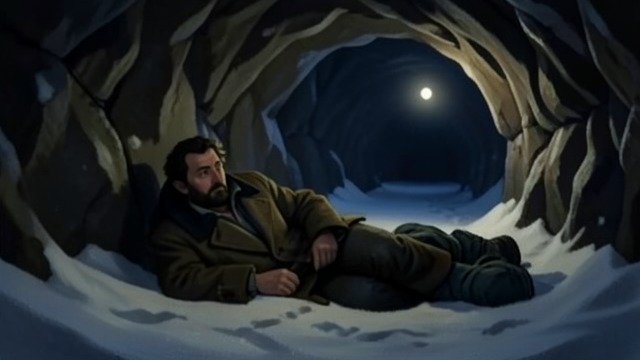
Survival and Its Cost
Trapped with the dead and the living
After the avalanche, Harry lies buried with Kaja Solness and Jussi Kolkka. He uses his father’s mountain-survival lessons to orient himself and find a small pocket of air in the chimney.
Choosing whom to reach first
Harry locates Kolkka, who appears to be alive, but continues searching until he finds Kaja, who is unresponsive. He later admits that he may have wanted the limited air to remain available to him, even as he tells himself that he was trying to save her.
No clean account of motive
The episode unsettles Harry’s tendency to divide actions neatly into courage and failure. In extremity, instinct, affection, fear, and self-preservation overlap; his survival is real, but so is the guilt of knowing that he did not make an uncomplicated choice.
After the Father’s Death
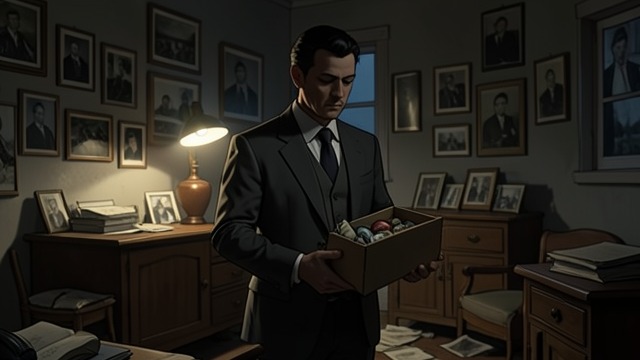
Grief Without a Final Answer
The loss arrives quietly
Harry learns that Olav has died while he is away in Africa. The news follows him through the return journey and into the ordinary task of deciding what remains in the family home.
Objects hold what words did not
The apartment contains photographs, furniture, and the accumulated possessions of a life. Harry feels the peculiar imbalance between how important these objects once seemed and how quickly they become things to sort, sell, or discard.
An unfinished relationship persists
Harry cannot obtain a final conversation in which both men resolve the question of the requested death. The absence of that resolution forces him to live with an imperfect bond rather than convert grief into a verdict against himself or his father.
Learning to Stay
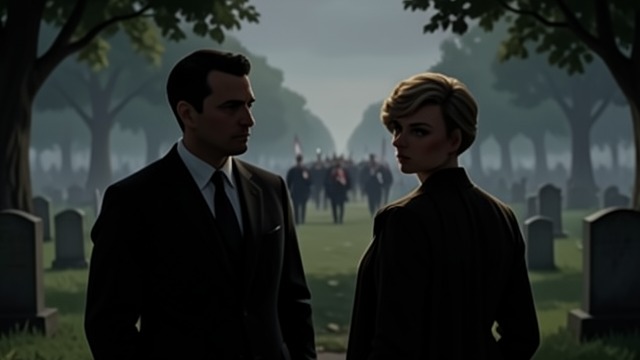
Choosing What Remains
A family presence at the funeral
At Olav’s funeral, Harry sees Rakel and Oleg among the mourners. Their quiet presence recalls the family life he lost, but does not automatically restore it or settle the distance between them.
A request for an unfinished chance
Harry visits Rakel and asks whether she will see Olav in the hospital. She refuses, and Harry does not turn her refusal into an accusation; he recognizes that she must make the choice herself.
A fragile movement toward the future
Harry admits that he should have helped his father die, even though he had previously refused. Rakel tells him that the opportunity is gone. Their exchange cannot repair the past, but it lets Harry begin to distinguish regret from a command to disappear, leaving open the possibility of seeing Oleg and Rakel again.
Harry’s return to Oslo after months in Hong Kong
During Olav Hole’s final days in hospital
During the burial of Hävasshütte by the avalanche
After Olav Hole dies and before the funeral
After the funeral, before Harry’s departure
